Bandaged Face Icon: A Versatile Graphic for Modern Design Projects
Icons play a crucial role in visual communication, especially in digital design. Among the many symbols used across websites, infographics, and templates, the Bandaged Face icon stands out as a meaningful and versatile graphic. Particularly popular in the plastic surgery and healthcare design sectors, this icon serves both aesthetic and functional purposes. Whether you're designing a brochure, a mobile app, or a presentation, understanding how to use the Bandaged Face symbol effectively can enhance your visuals and improve user experience.
What Is the Bandaged Face Icon?
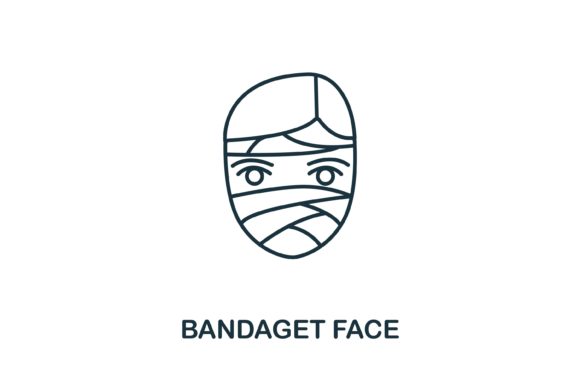
The Bandaged Face icon is a simplified line-art representation of a human face partially or fully covered with medical bandages. It is often used to symbolize recovery, post-operative care, or facial treatments. This icon is typically available in multiple formats, including EPS and JPG, making it easy to integrate into various design workflows. Its clean, minimalist style ensures it can be resized, recolored, and customized without losing clarity.
Why Choose the Bandaged Face Icon?
- Clarity: The icon clearly communicates the idea of healing or post-treatment care.
- Professionalism: It adds a polished, medical-grade aesthetic to health-related content.
- Versatility: Works well in web design, mobile apps, print media, and presentations.
- Editability: Being a vector graphic (EPS), it can be easily modified in design software like Adobe Illustrator.
How the Bandaged Face Icon Fits Into Design Workflows
Designers working in healthcare, beauty, and wellness industries often need visual shorthand to convey complex ideas quickly. The Bandaged Face icon is ideal for this purpose. It can be incorporated into infographics explaining surgical procedures, recovery timelines, or skincare routines. Because of its symbolic nature, it reduces the need for lengthy explanations, allowing users to grasp the message at a glance.
For example, in a post-surgery recovery timeline, the icon can represent the initial healing phase. In a skincare app, it might indicate a treatment or recovery stage. Its use is not limited to medical contexts—it can also be employed in lifestyle content related to self-care or facial rejuvenation.
Using the Icon in Web and App Design
Modern web and app interfaces rely heavily on icons to guide users. The Bandaged Face icon can be used as a navigation element, a status indicator, or a visual tag for specific services. For instance:
- A plastic surgery clinic’s website might use the icon to label a “Post-Op Care” section.
- A wellness app could use it to mark a facial treatment or recovery log entry.
- Medical dashboards might use the icon to highlight patient recovery statuses.
Because it’s available in JPG and EPS formats, integrating it into a website or application is straightforward. Designers can embed it directly into HTML or CSS, or use it in design tools like Figma, Sketch, or Photoshop.
Benefits of Vector Graphics: Why EPS Matters
One of the key advantages of the Bandaged Face icon is that it’s typically delivered as an EPS (Encapsulated PostScript) file. This vector format allows for infinite scalability without loss of quality. Unlike raster images (like JPG or PNG), which can become pixelated when enlarged, vector graphics maintain sharp edges and clarity at any size.
This makes the Bandaged Face icon ideal for:
- Print materials like brochures and posters
- Large-format banners and billboards
- Responsive web design where the same image is used across devices
Additionally, EPS files can be edited in vector software, allowing designers to tweak colors, add effects, or combine the icon with other graphics for a more customized look.
When to Use JPG vs. EPS
While EPS is ideal for editing and scaling, the JPG version of the Bandaged Face icon is useful for quick deployment. It’s perfect for:
- Email newsletters
- Social media posts
- Simple websites where file size is a concern
However, if you anticipate needing to resize or modify the icon, it’s best to start with the EPS file and export it to JPG only when necessary.
Practical Applications Across Industries
The Bandaged Face icon isn’t limited to plastic surgery clinics or dermatology websites. It has broader applications across industries that focus on health, wellness, and personal transformation.
Healthcare and Beauty Industry
In the beauty and aesthetics industry, the icon can represent post-treatment care for procedures like chemical peels, laser treatments, or injectables. It helps clients understand what to expect after a service and can be used in appointment confirmations, post-care instructions, or educational content.
Medical Infographics
Infographics are a powerful tool for communicating complex medical information. The Bandaged Face icon can be used to illustrate:
- Recovery timelines after facial surgery
- Steps in a facial rejuvenation process
- Side effects of cosmetic procedures
Its visual simplicity makes it easy to pair with other icons, charts, and text, creating a cohesive and professional design.
Mobile and Web Applications
Well-designed icons improve the usability of apps. The Bandaged Face icon can be used in:
- Health tracking apps
- Skincare routine tools
- Post-op recovery journals
Its clear symbolism helps users navigate features without confusion, enhancing the overall user experience.
Choosing the Right Icon for Your Project
When selecting the Bandaged Face icon for your design project, consider the following factors:
- Style: Make sure the icon matches the visual tone of your other graphics—whether minimalist, flat, or skeuomorphic.
- Format: Opt for EPS if you need to edit or scale the image; use JPG for quick publishing.
- Usage Rights: Confirm that the icon is licensed for commercial use if you’re applying it in a paid product or service.
- Consistency: Ensure the icon aligns with your brand’s color scheme and design language.
Many icon sets include the Bandaged Face as part of a larger plastic surgery collection, making it easy to find matching symbols for related topics like scars, skin health, or facial anatomy.
Conclusion
The Bandaged Face icon is more than just a simple graphic—it's a powerful communication tool in modern design. Whether you're creating a website for a cosmetic surgeon, designing a skincare app, or developing medical infographics, this icon offers clarity, professionalism, and flexibility. Its availability in both EPS and JPG formats ensures it can be used across a wide range of platforms and mediums. By incorporating the Bandaged Face icon into your design workflow, you enhance visual storytelling and improve user understanding—making it a valuable asset for any project in the healthcare or beauty industry.