Exploring the Thread and Yarn Icon: A Versatile Design Element for Modern Creatives
Understanding the Symbolism Behind the Thread and Yarn Icon
The Thread and Yarn icon is more than just a visual representation of sewing tools—it embodies creativity, craftsmanship, and connection. Historically associated with textile arts, this icon has evolved into a broader symbol representing continuity, collaboration, and detail-oriented work. Whether used in digital interfaces or print media, the Thread and Yarn icon communicates a sense of precision and care, making it a popular choice across diverse design disciplines.
Design Characteristics That Make the Thread and Yarn Icon Stand Out
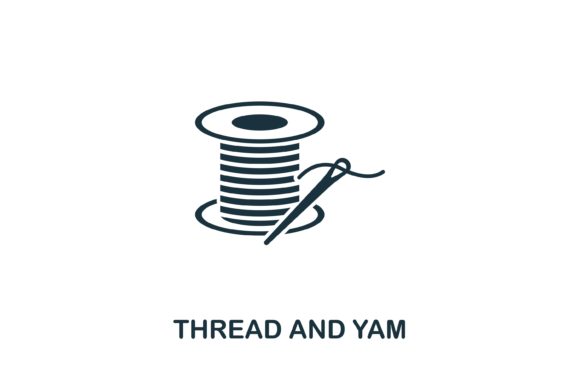
Visually, the Thread and Yarn icon typically features a spool of thread or a loosely wound ball of yarn, sometimes accompanied by needles or other sewing accessories. These elements are often stylized to maintain simplicity while retaining recognizability. The icon’s clean lines and minimalistic structure make it ideal for responsive web design, scalable vector graphics (SVG), and print-ready formats like EPS and JPG.
- Scalability: The Thread and Yarn icon maintains clarity at any size, making it suitable for both mobile interfaces and large banners.
- Adaptability: Its neutral aesthetic allows it to blend seamlessly into a wide range of color schemes and design themes.
- Symbolic resonance: Beyond its literal meaning, it evokes ideas of weaving ideas together, making it a powerful metaphor in educational and collaborative platforms.
Practical Applications Across Industries
The Thread and Yarn icon is not limited to fashion or craft-related websites. Its utility spans across multiple industries, including:
- Education: Used in online learning platforms to symbolize hands-on projects or creative assignments.
- Business: Incorporated into project management tools to represent task interconnectivity or team collaboration.
- Health and Wellness: Featured in mindfulness apps to signify focus, patience, and attention to detail.
- Technology: Utilized in software interfaces to denote customization or configuration settings.
Designers often opt for the Thread and Yarn icon because it offers a subtle yet meaningful way to enhance user experience without overwhelming the interface. Its versatility allows it to serve both functional and decorative purposes, depending on how it’s integrated into a layout.
Why the Thread and Yarn Icon Works Well in Web and Graphic Design
When it comes to modern web design, the Thread and Yarn icon brings a tactile, human-centered feel to digital spaces. Unlike more abstract or technical icons, it introduces a sense of warmth and approachability. This makes it especially effective in branding materials for companies that emphasize craftsmanship, sustainability, or community-driven values.
Graphic designers often appreciate the ease of customization that comes with the Thread and Yarn icon. Whether adjusting colors for brand alignment or modifying line weights for print clarity, the icon remains flexible without losing its core identity. Its availability in multiple file formats—such as EPS and JPG—ensures compatibility with a wide range of design software and publishing platforms.
How to Effectively Implement the Thread and Yarn Icon in Design Projects
Successful integration of the Thread and Yarn icon depends on thoughtful placement and contextual relevance. Here are some practical tips for using this icon effectively:
- Pair with complementary icons: Combine the Thread and Yarn icon with other symbols like scissors, needles, or fabric swatches for cohesive visual storytelling.
- Maintain visual consistency: Ensure the icon’s style matches the overall design language—whether minimalist, flat, or skeuomorphic.
- Use in navigation and infographics: Leverage the icon in menus or data visualizations to guide users or illustrate processes related to creativity or detail-oriented tasks.
- Optimize for accessibility: Choose high-contrast colors and adequate sizing to ensure visibility across devices and for users with visual impairments.
Real-World Examples of the Thread and Yarn Icon in Action
Several platforms have already embraced the Thread and Yarn icon for its aesthetic and symbolic value. For instance:
- An online crafting marketplace uses the icon to represent DIY project categories, helping users quickly identify hands-on learning resources.
- A productivity app incorporates the Thread and Yarn icon to symbolize interconnected tasks, reinforcing the idea of weaving together different aspects of a project.
- Educational websites often use the icon to illustrate attention to detail in writing or research-based activities.
These examples highlight how the Thread and Yarn icon can be more than a decorative element—it can serve as a functional design asset that enhances usability and emotional engagement.
Choosing the Right Format for Your Needs
When acquiring the Thread and Yarn icon, it’s important to consider the format that best suits your intended use:
- EPS (Encapsulated PostScript): Ideal for high-resolution printing and vector editing in Adobe Illustrator or similar software.
- JPG (Joint Photographic Experts Group): Best suited for digital use on websites or social media where quick loading and compatibility are priorities.
Both formats offer distinct advantages, so the choice depends on whether the icon will be used in print, digital, or mixed media environments. Designers who anticipate frequent modifications should opt for the EPS version, as it allows for greater flexibility in editing and scaling.
Final Thoughts on the Enduring Appeal of the Thread and Yarn Icon
The Thread and Yarn icon continues to resonate with designers and audiences alike due to its timeless symbolism and practical design. As digital spaces become increasingly visual and emotionally driven, icons like this offer a bridge between traditional craftsmanship and modern aesthetics. Whether used in web design, educational tools, or branding materials, the Thread and Yarn icon adds depth, clarity, and a touch of humanity to any visual composition.