Judaism Icon: Choosing and Using Religious Symbols Effectively
When it comes to visual storytelling in design, especially for religious or cultural representation, the Judaism icon plays a significant role. Whether you're creating a website, an educational infographic, or a marketing brochure, selecting the right Judaism icon can make a difference in how your message is received. A well-designed monochrome Judaism icon offers clarity, professionalism, and versatility, especially when it comes to adapting across different platforms and design templates.
Why the Judaism Icon Matters in Design
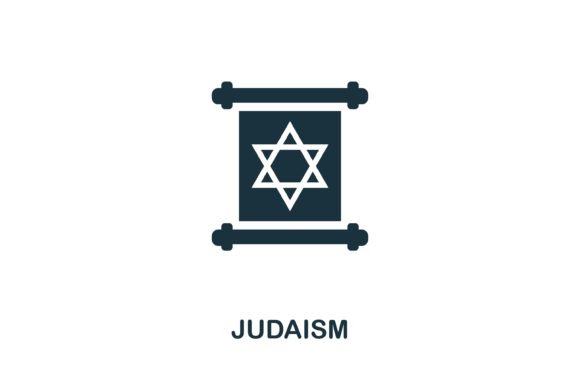
The Judaism icon is more than just a decorative symbol—it's a representation of a rich and ancient tradition. From the Star of David to the menorah, these icons carry deep meaning. In design contexts, they help communicate themes of faith, heritage, and identity quickly and effectively. Designers, educators, and content creators often look for Judaism icons that are easy to edit and integrate, such as EPS or JPG files, to maintain quality while ensuring flexibility in use.
Common Mistakes When Choosing a Judaism Icon
Despite their importance, many people overlook key considerations when selecting or using a Judaism icon. These missteps can lead to confusion, misrepresentation, or poor visual quality. Here are some of the most common issues and how to avoid them:
1. Choosing the Wrong Symbol
Not all religious symbols are interchangeable. For instance, the menorah and the Star of David both represent Jewish identity, but they are used in different contexts. Using the wrong symbol can confuse your audience or unintentionally misrepresent the intended message. Always verify which icon best aligns with the theme or message you're conveying.
2. Ignoring File Format Compatibility
Many users download a Judaism icon without checking whether the file type works with their design software. Vector formats like EPS are ideal for scalability without quality loss, while JPG files are better suited for web use. Make sure you understand which format you need before downloading or purchasing to avoid time-consuming conversions or quality compromises.
3. Overlooking Scalability and Resolution
Icons that look crisp on a website may appear pixelated when printed on promotional materials. This is especially true for raster images like JPGs. If you're planning to use the icon across multiple platforms—digital and print—opt for a vector format (such as EPS) to ensure it remains sharp at any size.
4. Misrepresenting Cultural or Religious Meaning
Religious symbols carry weight. Using them incorrectly or inappropriately can unintentionally offend or alienate your audience. Take time to understand the significance of the Judaism icon you choose. When in doubt, consult resources or experts to ensure respectful and accurate usage.
How Mistakes Affect Your Work
Making the wrong choice with a Judaism icon can have ripple effects. A poorly scaled image can hurt the professionalism of your design. Using the wrong symbol may lead to confusion or even backlash from your audience. Additionally, time spent reworking or replacing an icon due to format issues can delay your project and increase costs.
Practical Tips for Better Icon Choices
To ensure you're making the best use of a Judaism icon, consider the following advice:
- Know your context: Understand where and how the icon will be used—on a website, in print, in educational materials—before making a selection.
- Check file types: Always confirm whether you need a vector (EPS) or raster (JPG) format. This will affect how and where you can use the icon effectively.
- Verify cultural accuracy: Ensure the icon you choose is appropriate for the message you're delivering and the audience you're addressing.
- Test for scalability: Preview the icon at different sizes to make sure it remains legible and visually appealing across all applications.
Real-World Example: A Website Redesign
Imagine a small nonprofit updating their website to include Jewish cultural resources. They choose a low-resolution JPG menorah icon because it's free and easy to find. Later, they notice it appears blurry on mobile devices and can't be resized for print materials. This oversight leads to additional costs and delays. Had they chosen a scalable EPS file from the start, they would have saved time and maintained visual consistency across platforms.
What to Check Before Downloading or Buying
Before you commit to a Judaism icon, take a few moments to review the following details:
- File format: Is it EPS, JPG, or another type? Will it work with your design software?
- License and usage rights: Can you use it commercially? Is attribution required?
- Symbol accuracy: Does the icon reflect the intended meaning or tradition?
- Design quality: Is the icon clean, well-defined, and appropriate for your project's style?
Conclusion: Use Judaism Icon Thoughtfully
The Judaism icon is a powerful visual tool, but its effectiveness depends on thoughtful selection and application. Whether you're a designer, educator, or marketer, taking the time to choose the right symbol, file format, and design approach will enhance your work and ensure your message is communicated clearly and respectfully. By avoiding common pitfalls and planning ahead, you can confidently use a Judaism icon that supports your goals and connects with your audience.