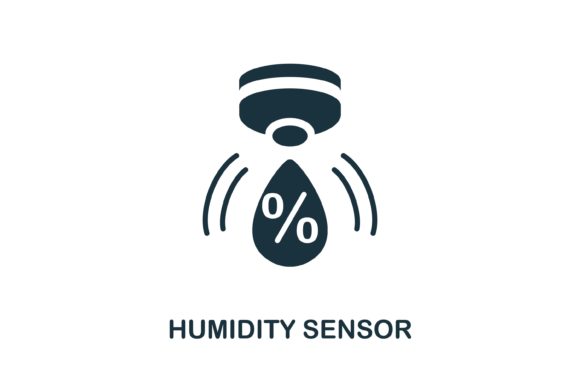
Understanding the Humidity Sensor Icon: A Key Element in Modern UI/UX Design
The humidity sensor icon may seem like a small detail in the vast world of digital design, but its importance cannot be overstated. Whether you're developing a weather app, a smart home interface, or an industrial monitoring system, the right icon plays a crucial role in communication, usability, and user experience. In this article, we’ll explore what a humidity sensor icon is, why it matters, and how it contributes to effective design in apps, software, and infographics.
What Is a Humidity Sensor Icon?
A humidity sensor icon is a visual representation of a device that measures the amount of moisture in the air. In digital interfaces, this icon serves as a symbol that users instantly recognize, helping them understand the function or data being presented. These icons are often part of a larger sensors icons collection and are designed to be simple, intuitive, and scalable across different platforms and screen sizes.
Most humidity sensor icons are created as vector graphics, allowing for easy editing and adaptability. They are typically available in formats such as EPS and JPG, making them compatible with a wide range of design tools and applications.
The Role of Humidity Sensor Icons in UI/UX Design
In modern UI/UX design, icons are more than just decorative elements—they are functional tools that guide user interaction. The humidity sensor icon is especially important in environments where real-time environmental monitoring is essential, such as:
- Smart home systems – Monitoring indoor air quality and climate control.
- Weather apps – Providing accurate humidity readings to users.
- Industrial and agricultural monitoring – Ensuring optimal conditions for production or crop growth.
When users see a humidity sensor icon, they immediately associate it with moisture levels and environmental conditions. This visual shorthand helps reduce cognitive load and enhances the overall user experience.
Designing a Creative and Effective Humidity Sensor Icon
Creating a creative humidity sensor icon involves balancing simplicity with recognizability. Designers must ensure that the icon is distinct enough to be understood at a glance, yet flexible enough to fit into various design systems. Some common design elements include:
- Droplets or water symbols to represent moisture.
- Thermometer-like shapes to imply measurement.
- Clean lines and minimalistic forms for scalability.
Many designers opt for a flat design or line art style to ensure the icon works well across both light and dark themes. Additionally, the icon should be easily customizable in color and size to adapt to different branding and interface requirements.
Where to Use Humidity Sensor Icons
Humidity sensor icons are versatile and can be used in a wide range of digital and print media. Some of the most common applications include:
- Mobile and desktop apps – Especially those related to weather, health, or environmental monitoring.
- Web dashboards – For visualizing sensor data in business or industrial settings.
- Infographics and presentations – To represent humidity data in a visually engaging way.
- Educational materials – Teaching students about environmental science or sensor technology.
Because these icons are often part of a sensors icons collection, they can be grouped with other related icons like temperature sensors, motion detectors, or light sensors to create a cohesive visual language.
How to Choose the Right Humidity Sensor Icon
Selecting the right humidity sensor icon involves more than just picking the most visually appealing option. Consider the following factors:
- Purpose – Will the icon be used in a consumer app or a technical dashboard?
- Style consistency – Does the icon match the overall design language of your application or website?
- Scalability – Is the icon clear and recognizable at different sizes?
- File format – Do you need an EPS file for vector editing, or is a JPG file sufficient for your needs?
Many designers prefer icons that come with both EPS and JPG files for maximum flexibility. Vector formats like EPS allow for easy resizing and editing, while JPG files are ideal for quick implementation in web or print projects.
Common Misconceptions About Humidity Sensor Icons
Despite their importance, some misconceptions about humidity sensor icons persist:
- “All icons are the same.” – While many icons may look similar, subtle design choices can significantly impact usability and recognition.
- “Icons don’t need to be consistent.” – Consistency across icons is key to maintaining a professional and intuitive interface.
- “Icon design is easy.” – Effective icon design requires a deep understanding of user behavior, visual hierarchy, and technical constraints.
Understanding these misconceptions can help designers and developers make more informed decisions when selecting or creating humidity sensor icons.
Practical Examples of Humidity Sensor Icon Use
Let’s look at a few real-world examples where the humidity sensor icon plays a vital role:
- Smart Thermostats – Devices like the Nest thermostat use humidity icons to show real-time indoor air quality.
- Fitness Trackers – Some advanced wearables display humidity levels to help users monitor their workout environments.
- Agricultural Apps – Farmers use humidity sensors and icons to monitor soil and air conditions for optimal crop growth.
These examples illustrate how a simple humidity sensor icon can enhance user understanding and improve decision-making in various contexts.
Conclusion: The Value of a Well-Designed Humidity Sensor Icon
In today’s digital landscape, the humidity sensor icon is more than just a graphic—it’s a bridge between technology and user understanding. Whether you're designing a weather app, building a smart home interface, or creating an educational infographic, the right icon can make a world of difference.
By choosing a creative humidity sensor icon that is clear, consistent, and contextually appropriate, you can enhance the usability of your interface and improve the overall user experience. With the availability of easy-to-edit formats like EPS and JPG, incorporating these icons into your projects has never been simpler.
So the next time you see a humidity sensor icon on your phone or a dashboard, take a moment to appreciate the thoughtful design and functionality behind it. It’s a small element that plays a big role in how we interact with the digital world around us.