The Role and Relevance of Zoology Icons in Modern Design and Communication
Zoology, the scientific study of animals, has long captured the imagination of people across the world. From ancient cave paintings to modern digital infographics, visual representations of animals have played a crucial role in how we understand and communicate complex biological concepts. In today’s digital age, icons—especially those drawn from the science collection—serve as powerful tools for conveying ideas quickly and effectively. Among these, the zoology icon from the science collection stands out for its simplicity, versatility, and educational value.
What Is a Zoology Icon?
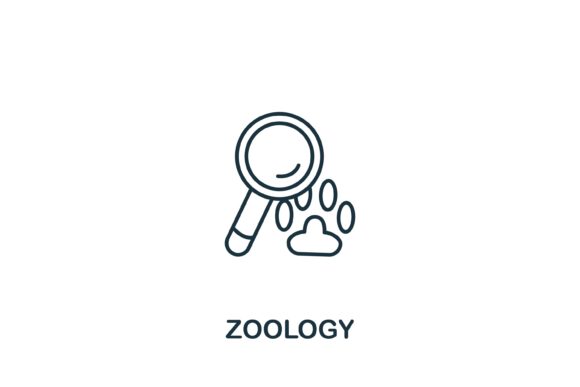
A zoology icon is a simplified visual symbol that represents the field of zoology. These icons are often part of a larger science collection that includes symbols for biology, chemistry, physics, and other scientific disciplines. Typically designed as clean, minimalistic line art, these icons are easy to integrate into various design projects. They are often available in multiple formats, such as EPS (Encapsulated PostScript) and JPG (Joint Photographic Experts Group), making them highly adaptable for both print and digital use.
Common Features of Zoology Icons
- Simple line art that emphasizes clarity and recognizability
- Vector-based formats like EPS for scalability without loss of quality
- Compatibility with common graphic design software and web platforms
- Editable files that allow designers to customize colors, sizes, and styles
Why Zoology Icons Matter in Design and Education
In an era where visual communication is paramount, icons serve as universal symbols that transcend language barriers. A well-designed zoology icon can instantly communicate the theme of an educational module, a website section, or a scientific presentation. Their simplicity ensures that they remain effective even when scaled down for mobile screens or used in minimalist infographics.
Educational Applications
For educators and students alike, zoology icons offer a visual shorthand that supports learning. Whether used in textbooks, digital flashcards, or classroom presentations, these icons help learners quickly associate visual symbols with biological concepts. For example, a simple icon of a lion might represent the study of mammals, while a fish icon could symbolize aquatic biology.
Web and Graphic Design Uses
Designers frequently use zoology icons to enhance the user experience on websites and apps related to nature, conservation, or science education. These icons help categorize content, guide navigation, and add visual interest without overwhelming the viewer. They are especially useful in creating responsive designs that look clean and professional across devices.
Practical Benefits of Using Zoology Icons
When choosing visual assets for a project, practicality is key. Zoology icons from a science collection offer several advantages:
- Easy to edit: Vector files like EPS allow for easy resizing and customization without quality loss.
- Flexible integration: Whether used in a PowerPoint slide or a mobile app interface, these icons blend seamlessly into diverse design environments.
- Cost-effective: Many zoology icons are available as part of affordable science-themed design kits, making them accessible for educators, startups, and freelancers.
- Professional appearance: Clean, well-designed icons lend a polished look to any project, enhancing credibility and user engagement.
How Zoology Icons Enhance Infographics and Data Visualization
Infographics are a powerful tool for communicating complex information in an engaging, digestible format. Zoology icons help break down scientific data by serving as visual anchors for different sections of an infographic. For instance, an infographic about biodiversity might use a range of animal icons to represent different species groups.
Moreover, these icons help in storytelling. A wildlife conservation infographic might use a series of zoology icons to show the decline of certain species over time or to illustrate the impact of human activity on ecosystems. Their visual appeal makes them particularly effective in capturing attention and encouraging deeper exploration of the subject matter.
Real-World Examples of Zoology Icon Use
- Environmental nonprofits: Use zoology icons in reports and campaigns to visually represent endangered species and conservation efforts.
- Science museums: Incorporate icons into exhibit signage and digital kiosks to guide visitors and explain biological concepts.
- Online learning platforms: Use icons to categorize biology courses and lessons, helping students navigate content more efficiently.
- Mobile apps: Educational and wildlife-themed apps often use zoology icons to label features and functions related to animal species or habitats.
Choosing the Right Zoology Icon for Your Project
Selecting the appropriate icon depends on the context and audience of your project. Consider the following when choosing a zoology icon from a science collection:
- Clarity: The icon should be instantly recognizable, even at small sizes.
- Relevance: Choose icons that accurately represent the subject matter, whether it’s a specific animal group or a general science theme.
- Consistency: If using multiple icons, ensure they share a similar style and visual language to maintain a cohesive design.
- Scalability: Vector formats like EPS are ideal for projects that may require resizing across different platforms.
Understanding File Formats: EPS vs. JPG
When downloading a zoology icon, you may encounter two common file types: EPS and JPG. Understanding the difference between them can help you choose the best option for your needs.
| Format | Best For | Advantages |
|---|---|---|
| EPS | Professional design, printing, and scalable graphics | High-quality, editable, and suitable for resizing without loss |
| JPG | Web use, presentations, and quick sharing | Compact file size, widely supported, easy to use |
For most design professionals and educators, having access to both formats provides the flexibility to use the icon in various contexts without compromising quality.
Conclusion: The Enduring Value of Zoology Icons
In a world increasingly driven by visual communication, the zoology icon from a science collection offers a simple yet powerful way to convey complex ideas. Whether used in education, web design, or environmental advocacy, these icons bridge the gap between science and design, making information more accessible and engaging. Their versatility, ease of use, and visual appeal make them an essential tool for anyone looking to communicate effectively in today’s digital landscape.
By incorporating these icons into your projects, you not only enhance the aesthetic quality of your work but also contribute to a broader understanding of zoology and its importance in our world. Whether you're a teacher, designer, scientist, or communicator, a well-chosen zoology icon can make all the difference in how your message is received and understood.