The Role of Ego Icon in Modern Visual Communication
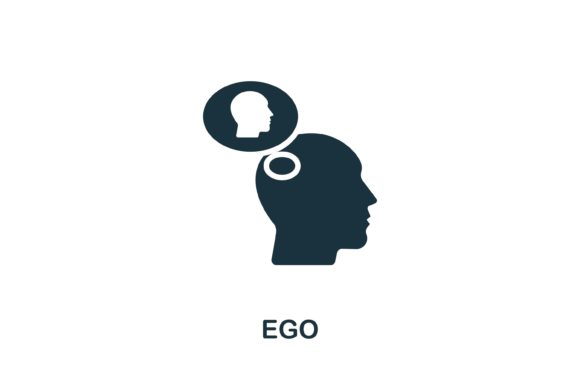
In a digital landscape where clarity and symbolism drive user engagement, the Ego Icon has emerged as a subtle yet powerful visual asset. Part of a broader psychology-themed illustration collection, this monochrome icon represents more than just aesthetic minimalism—it taps into deeper themes of identity, self-perception, and personal branding. Whether used in web design, infographics, or marketing templates, the Ego Icon bridges conceptual psychology with practical visual design.
Why the Ego Icon Resonates in Contemporary Design
Modern audiences are increasingly drawn to visuals that carry meaning beyond their surface appearance. The Ego Icon, rooted in psychological symbolism, aligns with this shift. It reflects a growing interest in self-awareness, personal development, and identity—topics that resonate across professional, creative, and entrepreneurial communities.
Designers and content creators are recognizing that users respond better to visuals that feel intentional and emotionally resonant. This is where the Ego Icon finds its place. Its clean, monochrome format ensures it integrates seamlessly into diverse design systems while maintaining conceptual depth. Whether used in a presentation about personal branding or a wellness app interface, the icon adds a layer of psychological nuance without overwhelming the design.
From Concept to Application: The Practical Side of Ego Icon
What makes the Ego Icon especially valuable is its versatility. It's available in both EPS and JPG formats, making it easy to edit and scale for various digital and print applications. This flexibility supports the evolving needs of creators who require adaptable assets that maintain quality across platforms.
- Web design: Use the Ego Icon to represent personal dashboards, self-assessment tools, or profile sections.
- Infographics: Incorporate the icon into visual narratives about self-development, mental health, or digital identity.
- Marketing materials: Leverage the symbol in campaigns focused on empowerment, individuality, or brand storytelling.
Because it’s vector-based, the Ego Icon can be resized without loss of quality, ensuring it remains crisp on both mobile screens and large-format posters. The monochrome palette also allows for easy color customization to match brand guidelines or thematic requirements.
How Trends in Visual Design Influence the Use of Ego Icon
Today’s design trends favor minimalism, clarity, and meaningful symbolism—qualities the Ego Icon embodies. As digital interfaces become more streamlined and content more visually driven, the need for icons that communicate complex ideas quickly has grown. This trend is particularly evident in the rise of no-code platforms, AI-driven design tools, and template-based content creation, all of which rely heavily on intuitive visual cues.
Professionals across industries—from educators creating online courses to entrepreneurs building pitch decks—are turning to icons like the Ego Icon to convey abstract concepts without relying solely on text. This shift reflects a broader movement toward visual literacy and the growing importance of design in everyday communication.
Why Ego Icon Fits Into the Psychology of Branding
Branding has evolved beyond logos and color schemes. Today, it's about storytelling, emotional connection, and authenticity. The Ego Icon serves as a symbolic representation of the modern self—complex, evolving, and often in flux. For businesses and individuals building personal brands, this icon can subtly reinforce themes of self-awareness, growth, and individuality.
Consider a wellness brand using the Ego Icon to represent self-reflection in a meditation app or a coaching platform using it to symbolize personal development. In both cases, the icon enhances the user experience by offering a visual shorthand for introspective concepts.
Designing for Real-World Use: Recommendations for Ego Icon
For best results, consider the following when incorporating the Ego Icon into your projects:
- Match context with meaning: Ensure the icon’s psychological undertones align with the message you’re delivering.
- Use with complementary visuals: Pair it with other icons from the psychology collection to create a cohesive visual narrative.
- Maintain visual consistency: Stick to a unified style—flat, line art, or minimalist—to ensure the icon blends well with your overall design system.
Because the Ego Icon is delivered as an EPS file, it can be easily edited using vector design software such as Adobe Illustrator or Inkscape. For those without design tools, the JPG version offers a ready-to-use alternative for quick implementation in presentations, social media posts, or blog graphics.
Looking Ahead: The Future of Ego Icon in Visual Storytelling
As the demand for meaningful, emotionally intelligent design grows, icons like the Ego Icon will continue to play a vital role in how we communicate digitally. They serve not only as visual aids but also as cultural markers—reflecting the values, concerns, and aspirations of the people who use them.
With the rise of AI-generated content and automated design workflows, the need for human-centered visuals becomes even more critical. Icons that carry psychological depth and emotional resonance will stand out in a sea of algorithmically generated graphics. The Ego Icon, with its balance of simplicity and symbolism, is well-positioned to meet this need.
Final Thoughts: Making the Most of Ego Icon
The Ego Icon is more than just a design element—it’s a reflection of how we understand and express identity in a digital world. Whether you're a marketer crafting a campaign, a designer building a UI, or a content creator developing visual assets, this icon offers a meaningful way to connect with your audience.
Its availability in both EPS and JPG formats ensures accessibility across skill levels and project types. And as visual storytelling continues to evolve, the Ego Icon remains a relevant, adaptable, and insightful tool for anyone looking to communicate ideas that resonate on both a personal and professional level.